Welcome Letter to New Employee: A Key Step in Onboarding Success
In today’s fast-paced work environment, the first impression a new employee receives can significantly impact their long-term engagement and performance. A well-crafted welcome letter to new employee serves as more than just a formality—it's a powerful tool for setting the tone of their journey with your organization. Whether you're an HR professional or a team leader, understanding the importance of this document can help you create a more inclusive and supportive workplace.
The Role of a Welcome Letter in Modern Workplaces
As remote work and hybrid models become more common, the need for clear communication has never been greater. A welcome letter to new employee is one of the first touchpoints that new hires experience. It helps them feel connected to the company culture, understand their role, and feel excited about their future with the team.
Modern professionals expect transparency and clarity from their employers. A thoughtful welcome letter addresses these expectations by outlining key information such as onboarding schedules, company values, and available resources. This not only reduces confusion but also builds trust from the start.
Why Companies Are Focusing on Onboarding Communication
Recent trends in workplace management highlight the growing emphasis on employee experience. Companies are recognizing that onboarding is not just about training—it’s about making new hires feel like they belong. A welcome letter to new employee plays a central role in this process.
With more businesses adopting digital workflows, many are turning to templates to streamline their onboarding procedures. A well-designed welcome letter template ensures consistency while allowing for personalization. This balance between structure and warmth is essential for creating a positive first impression.
What Makes a Good Welcome Letter?
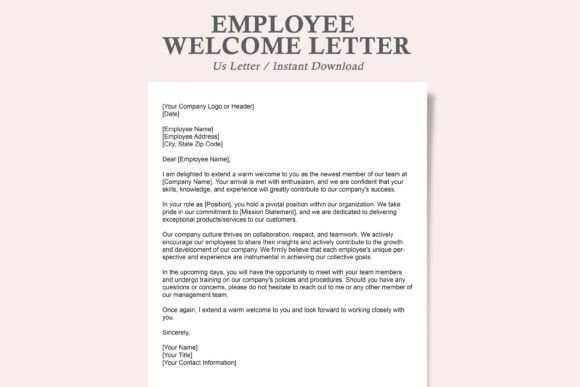
A strong welcome letter to new employee combines professionalism with a personal touch. It should be concise, informative, and friendly. Including elements such as a greeting, company overview, key contacts, and next steps can make the document both practical and welcoming.
For example, a welcome email to new employee might begin with a simple “Welcome to the team!” followed by details about their role, team members, and important dates. Adding a note about company culture or values can further reinforce a sense of belonging.
How to Customize Your Welcome Letter
While templates provide a helpful starting point, it’s important to tailor each welcome letter to the individual. A new hire welcome message should reflect the unique aspects of your company and the specific role being filled. Personalizing the letter shows that you value the employee’s contributions and are invested in their success.
Consider including a brief introduction from the hiring manager or team lead. This adds a human element and can help the new employee feel more connected. Additionally, mentioning any upcoming training sessions or orientation activities can prepare them for what’s ahead.
Benefits of Using a Welcome Letter Template
Using a welcome letter template can save time and ensure consistency across all onboarding processes. For instance, a new employee welcome letter example might include sections for company policies, contact information, and a schedule of onboarding activities. These templates can be easily adapted to fit different roles and departments.
Many templates also include tips for writing recommendation letters or other related documents. This added value makes them particularly useful for HR teams or managers who handle multiple onboarding tasks.
Key Elements to Include in Your Welcome Letter
To create an effective welcome letter to new employee, consider including the following elements:
- Greeting and introduction – Start with a warm welcome and express excitement about the new hire joining the team.
- Company overview – Briefly describe the company’s mission, values, and culture.
- Role and responsibilities – Outline the key duties and expectations for the position.
- Onboarding schedule – Provide details about training, meetings, and other important dates.
- Support and resources – List contacts, tools, and support systems available to the new employee.
These elements help new employees feel informed and prepared, which can reduce anxiety and increase confidence in their new role.
Adapting to Changing Work Habits
As work habits continue to evolve, so too must the way companies approach onboarding. With more employees working remotely or in flexible arrangements, the welcome letter to new employee becomes even more critical. It serves as a bridge between the hiring process and the actual work experience.
For example, a new hire welcome email can include links to digital onboarding platforms, virtual meet-and-greets, and remote access guides. This ensures that even employees who don’t physically join the office right away feel included and supported.
Practical Tips for Creating an Effective Welcome Letter
Creating a successful welcome letter doesn’t require advanced design skills or extensive time. Here are some practical tips to keep in mind:
- Be clear and concise – Avoid jargon and unnecessary details. Focus on the most important information.
- Use a friendly tone – Maintain professionalism while showing enthusiasm and warmth.
- Personalize the message – Address the new employee by name and reference their specific role or background.
- Include actionable steps – Provide clear instructions or next steps to help the new employee get started.
By following these guidelines, you can create a welcome letter that is both informative and engaging.
Conclusion: Building a Strong Foundation with a Welcome Letter
A welcome letter to new employee is more than just a document—it’s an opportunity to set the stage for a positive and productive relationship. By focusing on clarity, warmth, and personalization, you can create a powerful first impression that supports the new hire’s success from day one.
Whether you’re using a new employee welcome letter example or crafting your own, the goal remains the same: to make every new team member feel valued, informed, and excited about their new role. In today’s dynamic work environment, this small but meaningful gesture can have a lasting impact on both the individual and the organization.