Complaint Letter: A Strategic Tool for Effective Communication
A Complaint Letter, letter for complain, or complaint letter sample is more than just a formality—it's a strategic tool that can significantly impact your ability to resolve issues and achieve desired outcomes. Whether you're dealing with bad service, a defective product, or an unsatisfactory business experience, a well-crafted complaint letter can help you express your concerns clearly and professionally. This article explores the value of a complaint letter, how to use it effectively, and why it's an essential part of your communication toolkit.
What Is a Complaint Letter?
A Complaint Letter, also known as a letter for complain, is a formal document used to express dissatisfaction with a product, service, or business practice. It serves as a written record of your issue and outlines what you expect as a resolution. The goal of a complaint letter is not just to vent frustration but to initiate a constructive dialogue that leads to a fair and satisfactory outcome.
For businesses, a complaint letter can be a valuable opportunity to address customer concerns, improve services, and maintain a positive reputation. For individuals, it’s a way to assert their rights and ensure that their voice is heard.
Why a Complaint Letter Matters Strategically
Using a Complaint Letter, letter for complain, or complaint letter sample isn’t just about resolving a single issue—it’s about building long-term relationships and achieving better results. When done thoughtfully, a complaint letter can:
- Clarify expectations: By outlining the problem and what you hope to see resolved, you set clear boundaries and reduce ambiguity.
- Enhance accountability: A written complaint provides evidence of your concern, which can be useful in future interactions or disputes.
- Improve customer experience: Businesses are more likely to take complaints seriously when they’re presented in a professional and structured manner.
- Support brand positioning: How you handle complaints reflects on your professionalism and can influence how others perceive you.
When to Use a Complaint Letter
A Complaint Letter, letter for complain, or complaint letter sample is most effective when used in specific situations. Consider using one if:
- You’ve tried informal methods of communication without success.
- The issue has significant financial, emotional, or operational impact.
- You want to document the problem for future reference.
- You’re seeking a formal response or resolution from an organization.
It’s important to approach the process with a clear objective in mind. A complaint letter should not be used as a last resort or out of frustration—it should be a calculated step toward resolution.
How to Approach a Complaint Letter Effectively
Creating a Complaint Letter, letter for complain, or complaint letter sample requires careful planning and attention to detail. Here are some steps to help you craft an effective letter:
- Define your purpose: Clearly state what you want to achieve through the letter. Are you seeking a refund, an apology, or a change in policy?
- Be specific: Provide details about the issue, including dates, times, and any relevant information that supports your claim.
- Stay professional: Even if you’re upset, maintaining a respectful tone increases the likelihood of a positive response.
- Outline your expectations: Clearly state what you believe should happen next, whether it’s a correction, compensation, or further action.
- Include contact information: Make it easy for the recipient to respond by providing your phone number, email, and any other relevant details.
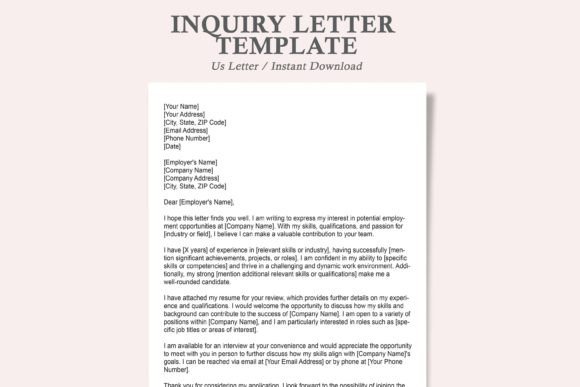
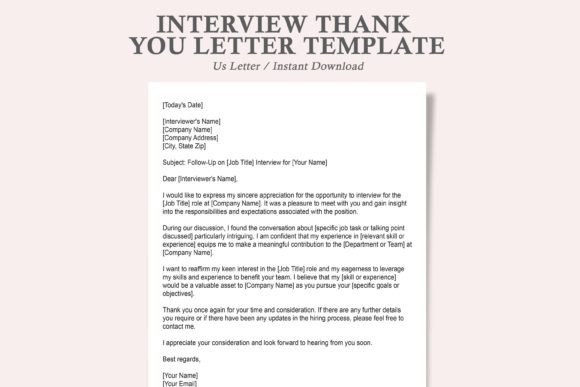
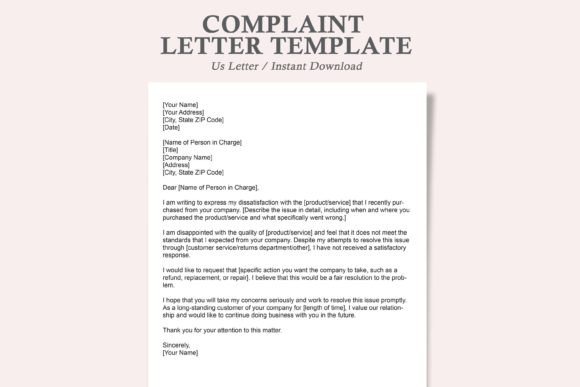
Using a formal complaint letter template can simplify this process. A complaint letter template, such as a formal complaint letter template or a complaint email template, provides a structure that ensures all necessary elements are included.
Strategic Considerations Before Writing a Complaint Letter
Before sending a Complaint Letter, letter for complain, or complaint letter sample, consider the following:
- Assess the situation: Is the issue worth pursuing? Will the effort lead to a meaningful resolution?
- Understand the company’s policies: Familiarize yourself with their complaint procedures to increase the chances of a favorable outcome.
- Think about the long-term impact: How will this affect your relationship with the business or organization?
- Prepare for possible responses: Be ready to follow up or escalate the issue if needed.
Without a clear plan, a complaint letter can become ineffective or even counterproductive. It’s important to approach the process with intention and strategy.
Practical Examples of Using a Complaint Letter
Here are a few scenarios where a Complaint Letter, letter for complain, or complaint letter sample can be particularly useful:
- Bad service: If you received poor customer service, a complaint letter can help you request an explanation or a resolution.
- Defective product: A complaint letter can be used to report a faulty item and seek a replacement or refund.
- Unfair billing: If you believe you were overcharged, a complaint letter can help you dispute the charges and request a correction.
- Violation of terms: If a business failed to meet the agreed-upon terms, a complaint letter can serve as a formal notice of breach.
In each case, the key is to communicate clearly, remain focused on the issue, and avoid unnecessary hostility.
Possible Risks of Using a Complaint Letter Without Clarity
While a Complaint Letter, letter for complain, or complaint letter sample can be powerful, it can also backfire if used carelessly. Some risks include:
- Damage to relationships: An overly aggressive or poorly worded letter may harm your relationship with the business or individual involved.
- Lack of resolution: If the letter is vague or lacks clear demands, the recipient may not take it seriously.
- Legal complications: In some cases, a complaint letter may need to be handled carefully to avoid unintended legal consequences.
To avoid these pitfalls, always approach the process with a clear objective, a professional tone, and a well-structured letter.
How to Use a Complaint Letter Intentionally
Using a Complaint Letter, letter for complain, or complaint letter sample intentionally means treating it as part of a larger communication strategy. Here are some tips to help you use it effectively:
- Align with your goals: Ensure that the letter supports your broader objectives, whether it’s improving customer service, resolving a dispute, or protecting your rights.
- Use it as a learning opportunity: Reflect on the experience to improve future interactions and prevent similar issues.
- Document everything: Keep copies of your complaint letter and any responses you receive for future reference.
- Follow up: If you don’t receive a response, consider following up to ensure your concerns are addressed.
By approaching a complaint letter with intention and strategy, you can turn a challenging situation into an opportunity for growth and improvement.
Conclusion: The Value of a Thoughtful Complaint Letter
A Complaint Letter, letter for complain, or complaint letter sample is more than just a formality—it’s a strategic tool that can help you achieve better outcomes, improve communication, and protect your interests. Whether you’re dealing with bad service, a defective product, or an unsatisfactory business experience, a well-crafted complaint letter can make all the difference. By using it intentionally and thoughtfully, you can turn a difficult situation into a constructive and productive exchange.