Understanding Podcast Log and Its Value for Content Creators
Podcast Log is a tool or resource that provides structured data or documentation related to podcasting activities. It can serve as a centralized repository for tracking episodes, guest information, production notes, and other relevant details. For individuals and organizations involved in podcasting, Podcast Log offers a way to manage and organize content efficiently. This article explores the features, benefits, and considerations of using Podcast Log, helping you determine if it aligns with your needs.
What Is Podcast Log?
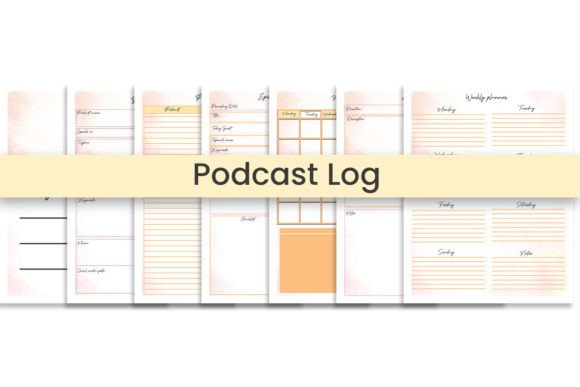
Podcast Log typically refers to a system or file format designed to log and store information about podcast episodes. It may include details such as episode titles, release dates, guest interviews, show notes, and technical specifications. In some cases, Podcast Log could also refer to downloadable files that accompany a podcast, such as PDFs, SVGs, or high-resolution JPEGs. These files might be used for promotional materials, show notes, or supplementary content.
The exact nature of Podcast Log can vary depending on the platform or service offering it. Some versions may focus on data logging for internal use, while others provide downloadable assets for public access. Understanding the specific functionality of Podcast Log is essential before deciding whether it suits your goals.
Reasons to Consider Podcast Log
There are several reasons why someone might find Podcast Log useful. If you're managing multiple podcast episodes, a structured log can help keep track of production timelines, guest availability, and content themes. For creators looking to maintain consistency across episodes, Podcast Log can serve as a reference point for past work.
Additionally, the inclusion of downloadable files such as AI, PDF, SVG, and high-resolution JPEGs can add value for those who need professional-grade assets. These files may be used for marketing, social media, or print materials, making Podcast Log a versatile tool for content distribution.
Benefits of Using Podcast Log
One of the primary benefits of Podcast Log is improved organization. By maintaining a detailed record of podcast activities, creators can streamline their workflow and reduce the risk of missing important details. This can be particularly helpful for teams working on large-scale podcast projects.
The availability of downloadable files enhances the utility of Podcast Log. High-resolution images and vector graphics can be used for branding, while PDFs and SVGs offer flexibility for different types of content delivery. These assets can also be shared with guests, sponsors, or collaborators, providing a cohesive visual identity for the podcast.
Another advantage is the potential for data analysis. If Podcast Log includes metrics such as download counts, listener engagement, or episode performance, it can help creators make informed decisions about future content. This data-driven approach can lead to more effective podcast strategies over time.
Tradeoffs and Considerations
While Podcast Log offers several advantages, it's important to consider potential tradeoffs. One limitation is the learning curve associated with using the tool effectively. Depending on the complexity of the system, users may need to invest time in understanding its features and how to navigate them.
Additionally, not all podcasters may require the level of detail provided by Podcast Log. For those with simpler workflows or smaller-scale operations, the tool might be unnecessary or overly complicated. In such cases, alternative solutions may be more suitable.
Another consideration is the cost. Some versions of Podcast Log may come with subscription fees or additional charges for premium features. Before committing, it's wise to evaluate whether the benefits justify the investment.
Situations Where Podcast Log Is a Strong Fit
Podcast Log is most beneficial for creators who manage multiple episodes or collaborate with a team. If your podcast involves regular content updates, guest interviews, or complex production schedules, a structured log can significantly improve efficiency. It also works well for podcasts that require consistent branding and professional-grade assets.
For those aiming to build a long-term content library, Podcast Log can serve as a valuable archive. It helps preserve historical data, making it easier to reference past episodes or analyze trends over time. This is especially useful for educational or documentary-style podcasts that rely on detailed records.
When Alternatives May Be Better
If your podcast is small-scale or has minimal production needs, alternatives such as spreadsheets, note-taking apps, or basic content management systems may be more practical. These tools often require less setup and offer greater flexibility for simple workflows.
Creators who prioritize simplicity over advanced features may also find that other platforms better suit their needs. For example, some podcast hosting services include built-in analytics and episode management tools that integrate seamlessly into the workflow without requiring additional software.
Moreover, if the cost of Podcast Log is prohibitive, exploring free or open-source alternatives could be a more cost-effective solution. Many platforms offer similar functionality at no charge, allowing users to test the waters before making a commitment.
Practical Decision-Making Insights
To determine whether Podcast Log is right for you, start by assessing your current workflow and future goals. Ask yourself: Do I need a structured way to track episodes and production details? Am I looking for downloadable assets to support my podcast's branding? If the answers align with the features of Podcast Log, it may be a good fit.
Consider also the size of your team and the complexity of your projects. If you're working alone, a simpler tool may suffice. However, if you're part of a larger team, the organizational benefits of Podcast Log could be invaluable.
Finally, take advantage of free trials or demos if available. Testing the tool firsthand can give you a clearer picture of its usability and whether it meets your specific needs. This hands-on approach can help you make an informed decision without unnecessary risk.